
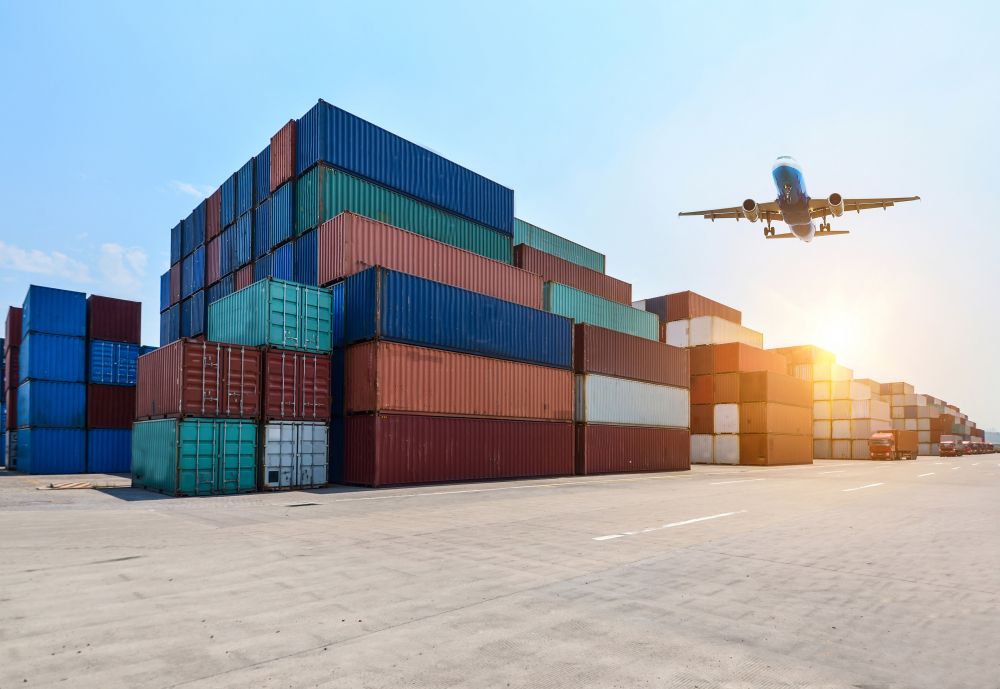
In today's competitive business environment, customers expect faster deliveries, accurate order fulfillment, and affordable shipping. At the same time, businesses face increasing pressure to reduce operating expenses while maintaining high service standards. This is where modern logistics services make a significant difference. By combining advanced technology, optimized transportation networks, efficient warehousing, and data-driven supply chain management, logistics providers help businesses lower costs and deliver products faster than ever before.
Modern logistics is no longer limited to moving goods from one location to another. It is a comprehensive system that integrates transportation, inventory management, freight forwarding, warehousing, customs clearance, and last-mile delivery into one seamless operation. Businesses that partner with professional logistics providers gain greater control over their supply chains, improve operational efficiency, and enhance customer satisfaction.
The Evolution of Modern Logistics
Traditional logistics often relied on manual processes, limited shipment visibility, and inefficient transportation planning. These challenges frequently resulted in delayed deliveries, higher fuel costs, inventory shortages, and unnecessary operational expenses.
Today's logistics services leverage digital technologies, automation, and real-time analytics to optimize every stage of the supply chain. From warehouse operations to delivery route planning, modern logistics providers continuously identify opportunities to improve efficiency while reducing costs.
This transformation enables businesses to respond quickly to market demands and customer expectations.
Optimized Transportation Planning
Transportation is one of the largest expenses in any supply chain. Modern logistics companies use advanced route planning software to identify the fastest and most cost-effective delivery paths.
Optimized transportation offers several benefits:
- Reduced fuel consumption
- Shorter delivery times
- Lower vehicle operating costs
- Improved driver productivity
- Fewer transportation delays
By analyzing traffic conditions, weather forecasts, road restrictions, and delivery schedules, logistics providers can select the most efficient routes for every shipment.
Smart Freight Management
Professional logistics providers carefully evaluate every shipment to determine the best transportation method based on cost, urgency, cargo type, and destination.
Available freight solutions include:
- Air freight for urgent shipments
- Ocean freight for international bulk cargo
- Road transportation for regional distribution
- Rail freight for heavy and long-distance shipments
- Multimodal transportation combining multiple shipping methods
Choosing the most suitable freight option helps businesses minimize transportation costs while maintaining reliable delivery schedules.
Efficient Warehouse Operations
Modern warehouses have become technology-driven distribution centers rather than simple storage facilities. Automated systems improve inventory accuracy, speed up order processing, and reduce labor costs.
Professional warehousing services include:
- Secure product storage
- Inventory management
- Barcode scanning
- Pick and pack services
- Packaging and labeling
- Cross-docking
- Returns processing
Warehouse Management Systems (WMS) provide real-time inventory visibility, allowing businesses to optimize stock levels and avoid unnecessary storage expenses.
Better Inventory Management
Inventory management directly affects both operational costs and customer satisfaction. Excess inventory ties up valuable capital, while insufficient stock can result in missed sales opportunities.
Modern logistics providers use advanced inventory systems to help businesses:
- Monitor stock levels in real time
- Forecast future demand
- Reduce excess inventory
- Prevent stock shortages
- Improve inventory accuracy
- Speed up replenishment
Accurate inventory management reduces waste while ensuring products remain available when customers need them.
Automation Improves Efficiency
Automation has become a key component of modern logistics. Automated systems reduce manual work, minimize human error, and increase overall productivity.
Examples of logistics automation include:
- Automated warehouse sorting
- Barcode scanning
- Electronic documentation
- Digital inventory updates
- Automated shipment notifications
- AI-powered route planning
These technologies improve operational speed while lowering administrative and labor costs.
Real-Time Shipment Tracking
Shipment visibility is one of the greatest advantages of modern logistics services. Businesses and customers can monitor shipments throughout the transportation process using real-time tracking systems.
Real-time tracking provides:
- Live shipment location
- Estimated delivery times
- Delay notifications
- Delivery confirmations
- Improved customer communication
Greater visibility allows businesses to respond quickly to unexpected disruptions and provide accurate updates to customers.
Reduced Fuel and Transportation Costs
Fuel expenses continue to be a major concern for businesses involved in product distribution. Modern logistics companies reduce fuel costs through intelligent transportation planning and efficient fleet management.
Cost-saving strategies include:
- Route optimization
- Shipment consolidation
- Vehicle capacity optimization
- Reduced empty return trips
- Preventive vehicle maintenance
These improvements help businesses lower transportation expenses without compromising delivery performance.
Faster Last-Mile Delivery
The final stage of delivery, commonly known as last-mile delivery, has a significant impact on customer satisfaction. Delays during this phase can affect the overall customer experience.
Professional logistics providers improve last-mile delivery by using:
- GPS-enabled vehicles
- Delivery scheduling software
- Optimized delivery routes
- Electronic proof of delivery
- Local distribution hubs
These solutions ensure faster deliveries while reducing transportation costs.
Simplified International Shipping
International logistics often involves complex customs regulations, documentation requirements, and multiple transportation providers. Professional logistics companies simplify these processes through integrated freight forwarding services.
International logistics support includes:
- Customs clearance
- Import and export documentation
- Cargo consolidation
- International freight management
- Trade compliance
- Shipment tracking
Efficient customs handling reduces delays at ports and border crossings while minimizing administrative costs.
Data-Driven Decision Making
Modern logistics providers use advanced analytics to improve supply chain performance. Data collected from transportation, warehouses, and inventory systems helps identify areas where costs can be reduced and efficiency improved.
Analytics support:
- Demand forecasting
- Delivery performance analysis
- Inventory optimization
- Route efficiency evaluation
- Customer service improvements
Businesses can make informed decisions based on accurate operational data rather than assumptions.
Scalable Logistics Solutions
As businesses grow, logistics requirements become increasingly complex. Professional logistics companies offer flexible solutions that scale alongside business operations.
Scalable services include:
- Additional warehouse capacity
- Expanded transportation networks
- International shipping support
- Seasonal inventory management
- Customized distribution solutions
This flexibility allows businesses to expand without making large investments in logistics infrastructure.
Industries That Benefit from Modern Logistics
Almost every industry depends on efficient logistics services to remain competitive.
Major industries include:
- Manufacturing
- Retail
- eCommerce
- Healthcare
- Pharmaceuticals
- Automotive
- Food and beverage
- Electronics
- Agriculture
- Construction
- Chemicals
- Consumer goods
Each industry has unique logistics requirements, and professional providers develop customized solutions that improve operational efficiency and reduce costs.
Choosing the Right Logistics Partner
Selecting an experienced logistics provider is essential for maximizing efficiency and controlling costs. Businesses should evaluate several factors before choosing a logistics company.
A dependable logistics partner should offer:
- Comprehensive logistics solutions
- Modern transportation technology
- Real-time shipment tracking
- Strong warehousing capabilities
- Flexible transportation options
- Global shipping expertise
- Competitive pricing
- Reliable customer support
- Industry experience
- Proven delivery performance
Businesses seeking reliable logistics solutions can benefit from partnering with Scanwell Logistics, a trusted provider of freight forwarding, transportation, warehousing, and integrated supply chain services. With a strong global network, advanced logistics technology, and experienced professionals, the company helps businesses reduce transportation costs while ensuring faster and more reliable deliveries.
The Future of Modern Logistics
The logistics industry continues to evolve through digital transformation and innovation. Artificial intelligence, machine learning, automation, and the Internet of Things (IoT) are making supply chains smarter and more efficient.
Future logistics trends include:
- AI-powered demand forecasting
- Smart warehouse automation
- Electric delivery fleets
- Blockchain for supply chain transparency
- Predictive route optimization
- Sustainable transportation solutions
Businesses that embrace these innovations will be better equipped to reduce costs, improve delivery performance, and meet changing customer expectations.
Conclusion
Modern logistics services play a vital role in helping businesses reduce costs and shorten delivery times. By combining advanced transportation planning, smart warehousing, real-time tracking, automation, inventory management, and data-driven decision-making, professional logistics providers create efficient supply chains that support business growth.
Whether operating locally or globally, businesses that invest in modern logistics solutions benefit from lower operating expenses, faster deliveries, improved customer satisfaction, and greater supply chain visibility. Partnering with an experienced logistics provider ensures reliable freight transportation, streamlined operations, and the flexibility needed to succeed in today's fast-changing marketplace.
Also Read:- Reliable Logistics Services for Seamless Freight Transportation